Supportive Chemical Dependency Therapy: Find Your Path to Recovery
A compassionate substance abuse recovery offers a sophisticated approach to recovery. It prioritizes empathy and understanding, acknowledging the complex emotional roots of dependency. This approach creates a nurturing setting, encouraging individuals to confront their obstacles. Integrating holistic practices can enhance strength and drive. However, concerns persist about the efficacy of community support and evidence-based strategies. What elements genuinely aid to a positive healing path? Exploring these dimensions uncovers deeper insights into compassionate care.
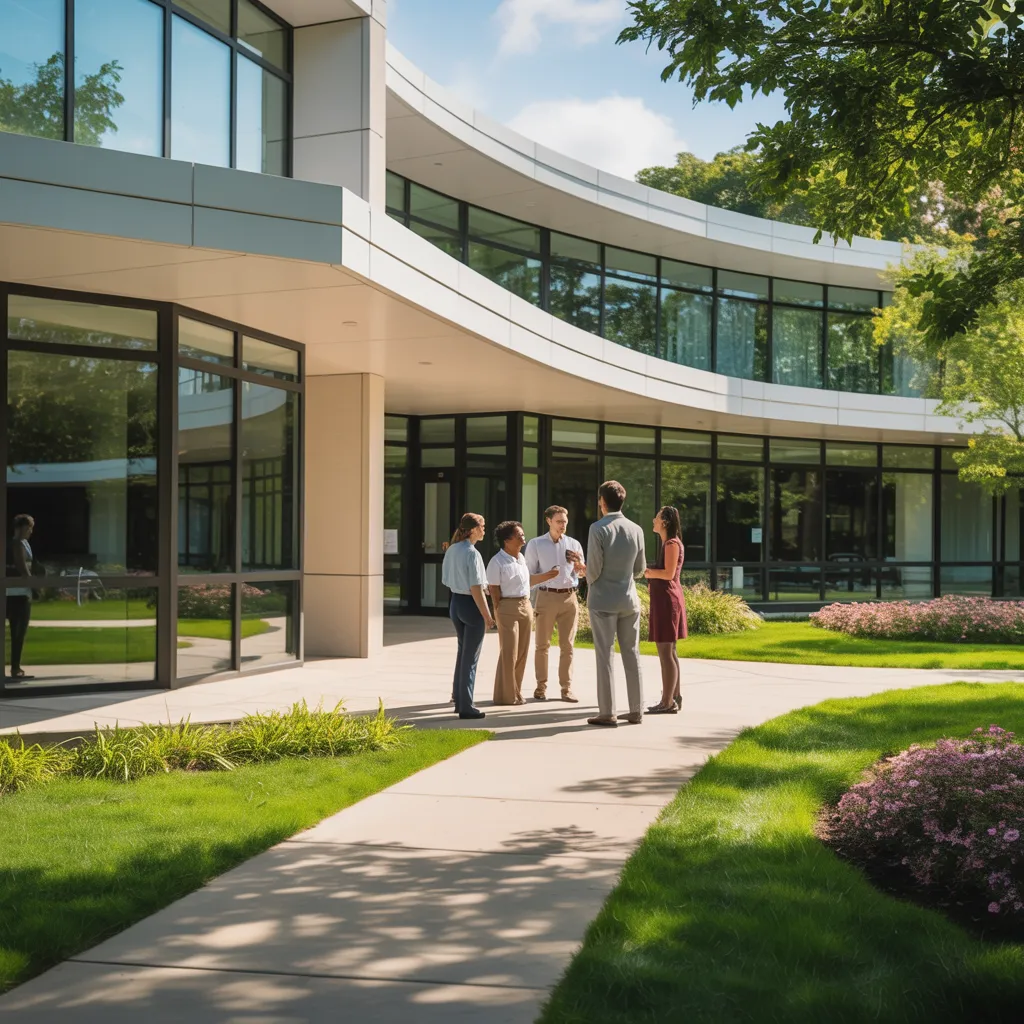
How Sympathetic Chemical Dependency Care Works and What Advantages Can It Offer You?
What renders compassionate addiction treatment an vital method for those seeking recovery? This method emphasizes empathy and understanding, acknowledging that addiction is often stemming from intricate mental health challenges. Unlike conventional approaches that may emphasize only abstinence, empathetic recovery creates a empathetic atmosphere where people feel protected to face their struggles.
By adopting strategies that highlight emotional well-being, patients are more inclined to engage actively in their therapeutic process. This approach not only confronts the somatic signs of dependency but also promotes mending of underlying traumas, reducing sense of embarrassment and disconnection.
Furthermore, empathetic addiction treatment often includes comprehensive wellness techniques, such as meditation and stress reduction, additionally supporting recovery. Ultimately, this individual-focused approach enables individuals to reclaim their lives, build resilience, and create better stress management strategies, making it a essential option for those pursuing lasting change.
Compassion Fundamentals That Facilitate Recovery
What role does empathy play in improving the recovery process for people coping with addiction? Compassion constitutes a fundamental element in promoting a supportive environment for recovery. By appreciating the emotional and psychological struggles of those touched by addiction, care specialists can personalize their approaches to cater to individual needs. This personalized attention nurtures trust, making individuals feel valued and understood.
Empathy principles promote open communication, allowing individuals to share their emotions without worry of judgment. Such an atmosphere can substantially diminish sense of loneliness, fostering a sense of belonging. In addition, empathetic interactions can help individuals recognize their capabilities and strength, reinforcing their drive to engage in recovery.
The Way Community Support Aids to Humane Drug Therapy
What role does community support play in boosting compassionate addiction treatment? Community support represents a vital foundation in the therapeutic journey. It encourages a sense of belonging, permitting members to bond with others who experience similar experiences. This link can relieve feelings of isolation often stemming from addiction, furnishing affirmation and motivation.
Support structures, community-based programs, and peer support furnish useful methods and emotional management techniques, empowering individuals to advance in their recovery process more productively. Also, group involvement develops accountability, as community members maintain a sense of duty to their own wellbeing and their colleagues.
Additionally, group experiences within a compassionate community can contribute to combined assets, enhancing access to therapeutic solutions and whole-person approaches. Ultimately, community support not only supports emotional healing but also reinforces the belief that recuperation is within reach, building a supportive setting where people can flourish on their path to recovery.
Overcoming Stigma in Empathetic Substance Abuse Treatment
Community support plays a pivotal role in addressing the stigma surrounding addiction, which can prevent individuals from seeking help. Social judgment often causes feelings of shame and isolation, preventing those struggling with addiction from asking for assistance. By fostering an environment of compassion and acceptance, communities can help dismantle these negative perceptions.
Education is vital in this push; informing the public about addiction as a medical concern rather than a moral failing can reshape attitudes. Support groups and community advocacy groups also function as platforms for sharing personal stories, which humanize the struggle and highlight recovery successes.
Encouraging honest discussions about dependency can foster a culture of acceptance, making it easier for individuals to access the compassionate treatment they require. Through collective efforts, communities can contribute in a more supportive landscape, in the end facilitating recovery and reducing stigma for those affected by substance misuse.
Scientifically-Supported Methods to Sympathetic Addiction Treatment
While addiction treatment options vary, scientifically-supported methods are vital for providing skilled and caring treatment. These techniques rely on scientific research and clinical trials to determine the most impactful interventions for people facing addiction challenges. Typical research-informed methods feature cognitive-behavioral therapy (CBT), motivational interviewing, and contingency management, each designed to address the particular obstacles of addiction.
Additionally, pharmacological recovery support (MAT) has earned acknowledgment for its capacity to facilitate recuperation while decreasing withdrawal discomfort. By merging these approaches, care facilities can supply tailored support that acknowledges personal situations and preferences.
Furthermore, systematic assessments and modifications informed by patient input help sustain active participation and progress. This commitment to utilizing proven interventions not only elevates recuperative achievements but also cultivates a empowering climate where individuals feel honored and acknowledged. Consequently, research-informed strategies play a fundamental role in promoting long-term healing and improving overall quality of life.
How to Begin Your Path in Compassionate Substance Treatment?
How can a person begin their journey toward empathetic substance abuse recovery? The first step involves recognizing the necessity for help, which can be intimidating yet freeing. Seeking help from loved ones, family members, or experts can offer encouragement and guidance. Individuals should research different recovery programs, such as therapy, support groups, and holistic approaches that emphasize empathy and insight.
Next, connecting with a healthcare provider or dependency counselor is vital for examining the client's needs and formulating a personalized treatment plan. This plan may include empirically-supported practices alongside sympathetic care to handle both the mental health and emotional aspects of addiction.
Ultimately, individuals should embrace change and maintain a commitment to their recovery. Creating a strong support system and engaging in wellness activities can enhance this journey, fostering resilience and optimism. By implementing these first actions, one can embark upon a path toward recovery and additional information lasting restoration.
Often Inquired Questions
What Skills Can I Identify in a Sympathetic Treatment Provider?
A compassionate service provider should possess suitable qualifications, experience in addiction counseling, a powerful empathetic stance, and a dedication to validated treatment approaches. Additionally, they should show cultural understanding and a supportive, non-judgmental attitude to patients.
How Extended Does Compassionate Addiction Treatment Typically Last?
Compassionate substance abuse therapy typically lasts 30 days to several months, dependent on individual needs and progress. Factors shaping duration include the intensity of addiction, accompanying mental health issues, and the clinical method utilized.
What Costs Are Connected to Compassionate Addiction Treatment Programs?
Expenses connected with sympathetic dependency recovery programs can change substantially. Elements impacting costs include the program's timeframe, location, and services offered available. Numerous facilities also provide financial aid or tiered payment options to meet various financial situations.
Is it possible to engage in Compassionate Treatment While handling My Job or Education?
Yes, people can engage in compassionate treatment while sustaining their job or studies. Many initiatives offer flexible schedules, permitting attendees to balance their obligations while getting the necessary support for healing and self-improvement.
What May I Do if I Have a relapse During Treatment?
If a relapse happens during care, it is necessary to acknowledge the difficulty without shame. Seeking help from counselors, individuals, or support groups can help in understanding patterns and refocusing on the recovery process.